
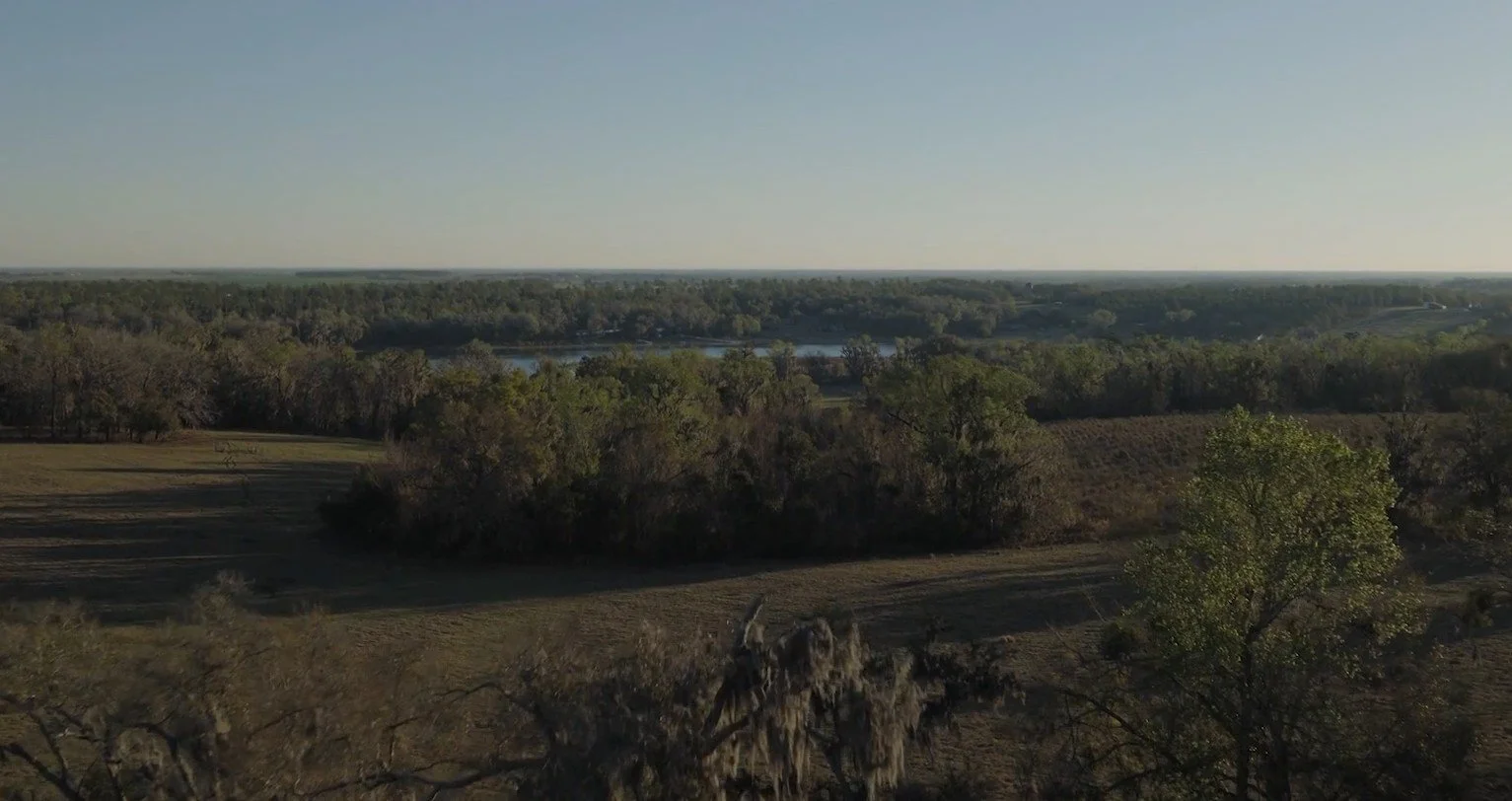
Clay Hill is a planned 550-acre low-density luxury rural retreat in Dade City on the Pasco-Hernando border.
A bold new vision for rural living is taking shape on the Pasco-Hernando border, and it could quietly reshape opportunities for residents, businesses, and property owners across east Pasco County.
On August 19, 2026, Blake Casper and Allison Casper Adams of the Caspers Company—the Tampa-based group known for Oxford Exchange and other hospitality concepts—announced plans for Clay Hill, a 550-acre luxury rural retreat. Roughly 330 acres sit in Pasco County and 220 in Hernando. The project centers on a low-density mix of hospitality, wellness, equestrian life, and exclusive residential living rather than conventional suburban sprawl. The land acquisition has not been finalized yet, it has been owned and controlled by the Evans family - prominent citrus growers. Approvals are expected early 2027, construction to begin in 2028 and delivered by 2030.
At its heart will stand a 130-room luxury resort anchored by a Manor House perched atop the natural rise that gives the development its name. Guests and residents will find an equestrian center, a chapel overlooking the 130-acre Dowling Lake, a clubhouse, multiple restaurants and farm-to-table concepts, tennis and pickleball courts, miles of pedestrian and equestrian trails, yoga and meditation spaces, a sauna and cold plunge, bike and kayak rentals, and a working farm. Programming will include wellness retreats, weddings, corporate events, plein-air painting workshops, and community discussions. The residential component, called The Residences at Clay Hill, is capped at no more than 50 estate homes on one- to two-acre lots.
Developers say the design draws inspiration from Canyon Ranch in Malibu, Blackberry Mountain in Tennessee, Soho Farmhouse in England, and South American equestrian traditions. They intend to preserve much of the property’s rolling hills, mature oaks, and open space. The project aligns with the longstanding Northeast Pasco County Rural Special Area Plan, emphasizes limited road access focused on emergency needs and trails, and will not require central water or sewer service from either county. Community town halls are planned as the proposal advances.
For everyday residents of Dade City and surrounding northeast Pasco, the most immediate effects are expected to be economic rather than transformative. New jobs in hospitality, farm operations, events, and support services could open doors for local workers. Visitor spending at the resort and its restaurants may spill over into downtown Dade City shops and eateries. Because the development is deliberately low-density and self-contained, it is unlikely to overwhelm schools or public infrastructure the way large-scale housing projects sometimes do. Still, some additional traffic on rural roads is possible during construction and peak event periods, and neighbors will naturally watch closely to ensure the rural character they value remains intact.
Broader Pasco County already sits in a strong growth cycle. Population has climbed roughly 20 percent since 2020, residential building permits remain robust, and major commercial and mixed-use projects continue to break ground. Clay Hill adds a distinctive high-end hospitality and tourism layer that complements rather than competes with the county’s existing residential and industrial expansion. By generating jobs, drawing overnight visitors, and contributing to the long-term tax base without heavy demands on public utilities, the project offers a measured economic boost.
Property values in Dade City currently hover in the mid-$300,000s for typical homes, with larger acreage and higher-elevation parcels already commanding premiums. A successful luxury destination nearby could further lift demand for comparable rural and estate properties, particularly along corridors such as Clay Hill Road. The effect is expected to be strongest in the immediate northeast rural area and more muted for standard in-town housing. Meanwhile, nearly 2,000 new homes are already in the pipeline through other master-planned communities, and downtown revitalization efforts aim to attract more housing, retail, and restaurants while protecting the city’s historic fabric.
Dade City itself is growing, but its official plans emphasize orderly expansion that preserves small-town character and natural resources rather than a wholesale shift into an exclusive high-end enclave. Annexations, comprehensive-plan updates, and infrastructure investments signal confidence in continued expansion. Median home prices remain more accessible than those in western Pasco communities such as Land O’ Lakes or Wesley Chapel. High-end pockets can coexist with a broader mix of housing options.
Clay Hill represents one more sign that northeast Pasco is evolving—quietly attracting sophisticated investment while trying to keep its rural soul. Whether the project ultimately delivers the promised jobs, tourism dollars, and property-value lift will depend on approvals, construction timelines, market response, and how well the surrounding infrastructure keeps pace with countywide growth. For now, it stands as a notable vote of confidence in the future of Dade City and the rolling hills that define this corner of Pasco County.
